
I spent the majority of my adult life programming software and leading teams. In software development, A team or department will usually consist of product managers, user experience designers, software engineers, devops engineers, engineering managers, project managers and the list goes on. Each role is there to ensure that the product produced best meets the needs of the customer. But this all happens after you already know what the product is that you are building.

Before all this, all you have is an idea. Maybe you want to build the world’s first molecular beverage printer or the first personal electric aerial vehicle. In one’s mind it’s probably a foregone conclusion that of course, the world needs this product. I mean heck, why wouldn’t they? But the truth is that most ideas fail even if executed competently. I think the figure is actually north of 80% but honestly, the stakes are so high that even if the failure rate was 20% it’s worth understanding how to reduce that margin for failure as much as possible before investing more time and money into any idea.
Software engineers often get an idea and immediately crack open their favourite coding tools and whip up prototypes: Simple, crude versions of the idea that mostly work but might be lacking features or functionality but are usually enough to get the point across. And, as I’ve witnessed many times in my career code wins arguments. Having a working mobile app, website, API, game or whatever takes the guesswork away. The conversations become more practical and less hand-wavy. Prototypes are great.
But, sometimes the idea is not something that is easy to prototype. Let’s take the molecular beverage printer example above. I’m pretty sure prototyping a machine like that would be no simple feat. So how then could you determine if the market would be ready for a product like Cana without building the beverage printer first? This is where pretotyping and “the right it” by Alberto Savoia comes in.
To give you an example of how we might approach pretotyping the molecular beverage printer let’s use what Savoia calls The Relabel Pretotype. This is where we might take an existing product and simply by re-labelling it, we can test whether our customers might buy. In our case, we might take a bevi (a fairly similar machine that uses traditional syrups) and just put a different skin on the front and plop it into a beverage trade show floor.
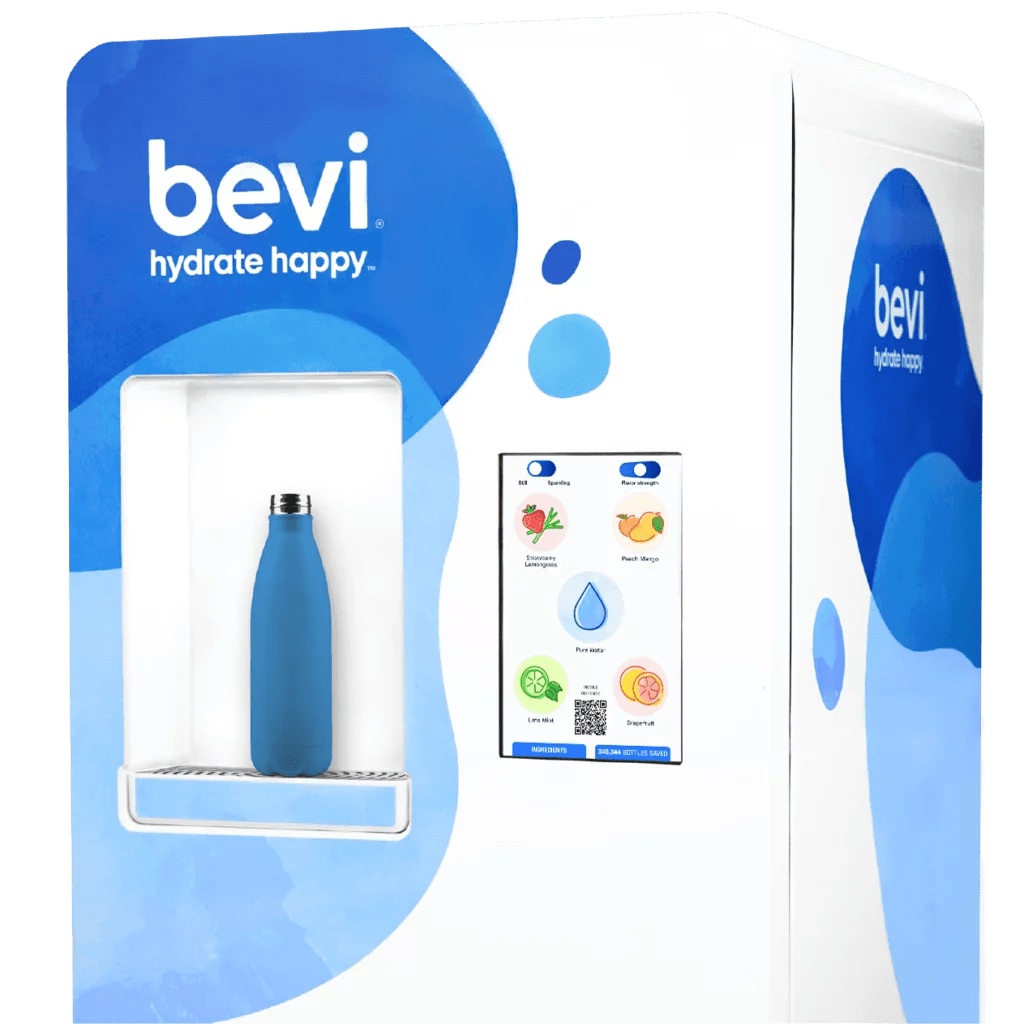
Sure, you might not be proving the taste of the molecularly printed beverage meets the quality bar that the consumer demands but you will gather a lot of your own what Savioa calls YODA (Your Own DAta) . You’ll learn whether the market is even ready to drink a molecularly printed beverage on premise alone. You’ll learn where your target market might be, airplanes come to mind since they are weight and space constrained and god it would be great to have a nice whiskey sour on my next trip to SF.
I thoroughly enjoyed the book and if you pick it up on amazon please use this link. It will help me cover the costs of running this site.
p.s. If anyone wants to take a stab at how one might pretotype a personal flying machine let me know in the comments. 😉
 Life Mission